-
By Code 9 Group
- In EMR
What Is An Electronic Medical Record (EMR) System?
EMR system is an electronic platform that replaces the usual paper applications of managing and handling patients and ensures that patient records are stored in a controlled and safe manner. EMR systems are specific to a practice-based approach or healthcare organization, unlike the broader interoperability focus of the EMR vs EHR software. They encompass patient records, diagnosis, prescription, laboratory tests, and treatment documentation, they make sure that clinical professionals make informed decisions in real-time. The growth of custom EMR development, and cloud-based EMR systems usage, has altered the practices of healthcare in Abu Dhabi and the UAE as a whole, enabling service providers to make their work more efficient, minimize the number of mistakes, and provide better patient outcomes.
Major Deliverables in EMR Development and Management
Patient Data Management
A large scale database of patient information is at the core of any custom EMR development project. This module houses demographics, allergies, the medical history of the past, diagnostic outcomes, and treatment regimens. Patient management system should be properly designed so it ensures that the healthcare providers have easier access to reliable real-time information whenever necessary.
Clinical Documentation Tools
Documentation is very crucial to patient care. The latest cloud-based EMR system solutions come along with such tools as customizable templates, SOAP notes, and even voice recognitions. The tools enable physicians to record encounters more swiftly and more correctly and alleviate the workload of manual paperwork.
Entry and Results Management.
An effective EMR implementation also has Computerized Physician Order entry (CPOE) where a prescription, a laboratory request and an imaging order are digitally typed. The results are then fed back into the system and allowing smooth workflows. These features can be integrated with lab systems, pharmacy software, and diagnostic equipment with the required level of ERP integration and migrations.
Workflow and Automation
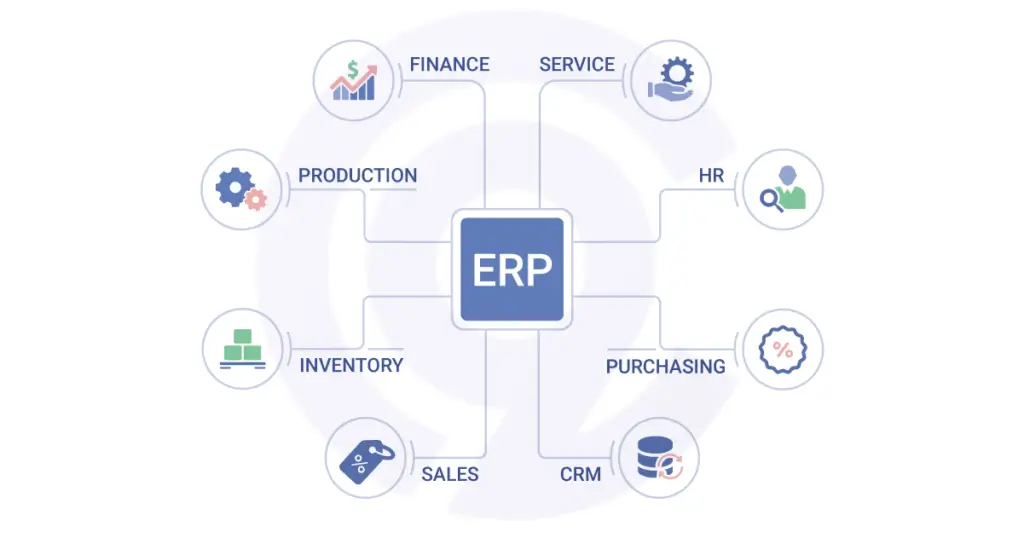
Lack of digital support is a common problem with inefficiencies in healthcare operations. Employing EMRs in a combination fashion with the enterprises resource planning systems by a meticulous process of ERP implementation assists in automatic scheduling, billing, and claims processing. This saves the administrative expenses and enhances efficiency.
Interoperability and Data Migration
Interoperability of different health systems is one of the most tricky issues of the implementation of EMR. With organized data transitions described as EMR data migration procedure, companies can transition to the development level of platforms without losing precious patient data. This gives continuity to care particularly when there are many providers in the network.
Analytics and Reporting
When customized ERP/EMR solutions are involved, healthcare providers will be able to derive insights valued by patient and operational data. Such analytics help to make improved clinical decisions, financial predictions, and compliance reporting. Data-driven strategies in hospitals and clinics are advantageous as they enhance patient results and business.
Security and Compliance
In the modern age of the digital world, the protection of patient information is a must. Strong healthcare ERP systems and EMRs have to adhere to local provisions, such as healthcare privacy provisions in Abu Dhabi and the UAE, in general. Modern EMRs have encryption, controls on access, and audit trails measures, which make sure that sensitive health records are not breached.
Best Practices in EMR and ERP Development
To develop a reasonable EMR system, best practices about the ERP software development services and healthcare IT management are to be followed. Hospitals and clinics are supposed to:
- Invest in, that is, customization of the ERP development, rather than generic, one-size-fits-all platforms.
- Use concepts of manufacturing ERP solutions to deliver a guided-development and uniform processes.
- Measure ERP time-to-market to strike the difference between quality and timely implementation.
- Contract an experienced erp software development firm with knowledge of health care processes and compliance requirements.
EMR projects can not only simplify workflows but also enhance the quality of patient care and efficiency of operations over time, when performed with proper projects.
Why EMR Development Matters for Healthcare Providers
The initial movement towards custom EMR development is not only digitization, but it is a move towards sustainability, compliance, and patient-centered care. The adoption of cloud-based EMR systems has the following advantage to hospitals: the possibility to access scalable platforms that can expand with the need of the hospital. The integration of EMRs and the search of ERP integration and migration will allow healthcare providers to harmonize clinical and financial information and eventually be able to reach operational excellence.
Partner with Code9Group
Code9Group is an effective partner in case your healthcare organization is planning to use the advanced custom development of the EMR or become integrated with the powerful Enterprise resource planning systems. Experience in the field of integration and migration of ERP, cloud-based systems of EMR, and custom (bespoke) ERP/EMR solutions make Code9Group assist healthcare providers in a smooth digital transformation. Code9Group is the place to start your smarter healthcare management journey today.
Conclusion
The implementation of an Electronic Medical record (EMR) system is a process that requires far beyond the provision of an electronic program. It involves strategic outlaying, the assurance of secure data migration in Emergency room queries, efficient implementation of the ERP and integration of custom-designed ERP/EMR systems to suit the organizational objective. Embracing customized healthcare ERP systems and EMR in Abu Dhabi and the UAE, healthcare providers position themselves to benefit with efficiency, compliance, and high-quality care delivery to patients.